

The Evolution of Technology and the Future of Eye Tracking
Technology is evolving very quickly, and one of the most exciting innovations that could soon become widespread is « eye tracking. » Although this technology has been around since the 1990s, it was mainly used by big companies and research labs because it was expensive and complicated. However, we are entering a time when eye tracking could become a standard feature in our electronic devices.
Intuitive Control with Eye Tracking
Today, many smartphones already use the front camera to detect if you are looking at the screen to keep it from turning off. But eye tracking can do much more. Imagine being able to scroll through a digital book or your news feed just by reading to the bottom of the page. You could also activate functions by just looking at something on the screen. For example, by looking at a « Yes » button, you could activate it without touching the keyboard or mouse. This technology offers new ways to use our devices more smoothly, especially when our hands are busy.
More Than Just Interaction, a Revolution
Eye tracking offers many other features, like eye scrolling to navigate your news feed, eye play/stop to pause a video, and recommendations based on what you look at, showing you similar images or articles. There’s also eye navigation for easier page browsing and an eye browser to highlight the parts of the screen you look at the most.
These innovations aren’t just for fun and productivity. Eye tracking also opens new possibilities in health and helping people with disabilities.
Advances in Health and Accessibility
Eye tracking offers new possibilities for people with disabilities, especially those who have trouble communicating. Paralyzed people can now use their eyes as a mouse to type messages on a virtual keyboard on the screen. This technology allows them to interact more freely with the world around them and regain some independence.
Eye tracking is also used in health care to diagnose eye problems and even in visual rehabilitation. It’s used to monitor students’ attention in classrooms and help health professionals better understand their patients’ reactions.
Reinventing Marketing
Beyond health, eye tracking is changing marketing and advertising. Companies can now analyze consumers’ eye movements to better understand their reactions to ads. This analysis can help improve ad design and attract more attention to products and services.
Eye tracking can make digital marketing more effective. By studying how users behave on a website or mobile app, companies can improve user experience and satisfaction. Visual elements and gaze points become key indicators for designing user-friendly interfaces.
The Rise of New Devices
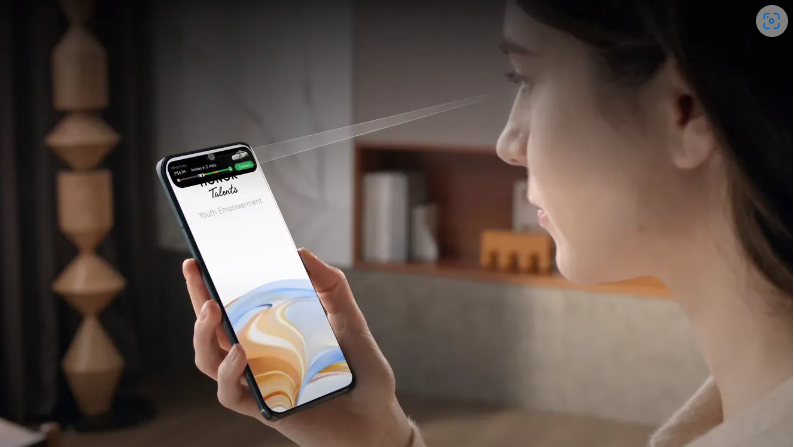
Today, devices like the Honor Magic 6 include eye tracking to offer new features. For example, this phone uses eye tracking to interact with the user through the Magic Capsule, a revolutionary feature that allows you to control the phone by simply looking at the screen. This innovation promises to change how we use our mobile devices every day.
Challenges and Future Directions
Despite the promising advancements, there are still challenges to overcome. Privacy concerns are paramount, as eye tracking technology involves collecting sensitive data about where and how long individuals look at specific points. Ensuring this data is handled ethically and securely is crucial. Moreover, integrating eye tracking into everyday devices at an affordable cost remains a hurdle. Continued research and development, alongside collaboration between technology companies, regulators, and privacy advocates, are essential to address these issues
In conclusion
Eye tracking, though already existing, is about to revolutionize our daily lives. This technology, once reserved for big companies, is becoming more accessible, offering new possibilities for interaction and accessibility. From healthcare to advertising to smartphones, eye tracking promises to change how we interact with the world around us. One thing is certain: the future looks bright for this technology that will let us control our world with just a glance.
Sources :

En formation en Master 2 AES parcours Commerce Électronique à l’Université de Strasbourg